Read the space between the furniture
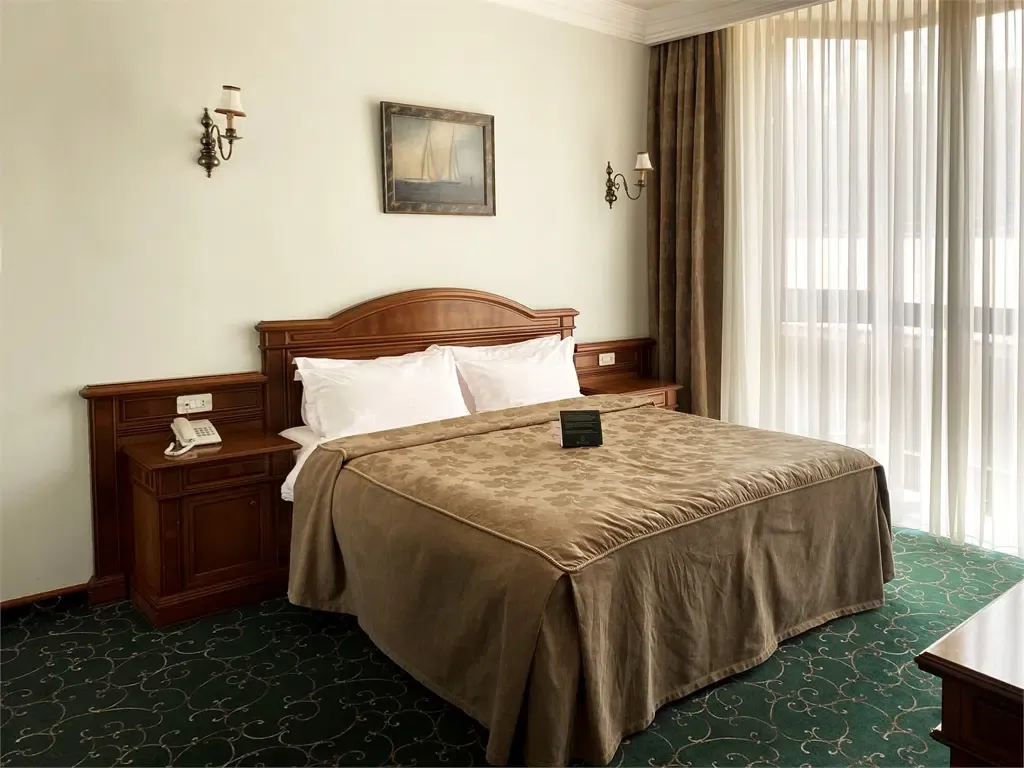
A room photograph shows a selected moment from a selected angle. Suite comfort depends on what happens when two people bring bags, open wardrobe doors and move towards the bathroom at different times. Happyguesthotel describes elegantly crafted suites, but a general description does not establish the layout of a particular booking. Ask which room category the photograph represents and whether the arrangement is typical or simply one example.
Look for the route from the entrance to the bed, bathroom and window. A seating area can appear generous while leaving little space once a sofa bed is opened. If separate sleeping and sitting areas matter, ask whether there is a closing door between them. For a 2026 stay, request the current room description rather than relying on a picture saved years ago. Practical questions can be specific without becoming a long list of demands.
Start with the details you will use
- A clear place for an open suitcase.
- Reading light that can be controlled from the bed.
- A bathroom route that works while someone sleeps.
Imagine the room after an evening out
Daylight and wide camera angles can hide the conditions that matter at bedtime. Ask where the room sits in relation to lifts, service doors and entertainment spaces. A higher floor does not automatically settle a noise question, and a view category does not promise silence. Describe the need plainly: perhaps one person sleeps early while another returns later. The answer should concern the actual room allocation, with any limits made clear.
Light deserves the same attention as sound. Check whether curtains cover the whole window and whether bedside lamps operate separately. A bathroom light spilling through glass can affect a companion even when the main lights are off. None of these features should be assumed from a luxury label. If a detail is essential, ask the property to confirm it in writing and distinguish a request from an arrangement it has agreed to provide.
| Visible clue | Question still open |
|---|---|
| Separate seating | Does a door divide the spaces? |
| Large window | How does the room darken at night? |
| Desk and lamps | Where are the usable sockets? |
Compare two categories fairly
- Write down the same essential needs for both rooms.
- Compare confirmed features before decorative extras.
- Keep unresolved requests separate from guaranteed details.
Give ordinary routines a place
Morning habits can matter as much as the evening view. Think about where one person can dress while another sleeps, whether there is a comfortable chair and how bags will be kept out of the walking route. If mobility or access needs shape the choice, discuss the relevant measurements and features directly with the property. A room category name alone gives too little information to judge whether the space will work for a particular guest.
On entering the room, take a moment to locate switches and understand the door latch before unpacking. If the assigned layout differs from the one discussed, raise the practical concern while staff can explain the available options. Describe the obstacle itself, such as a blocked walking route, rather than simply saying the room feels smaller than its photograph.
The room also sits within a larger stay. A late check-in may make a simple route from reception especially valuable; our arrival planning article considers that handover. If you expect different evening schedules, agree on a quiet return routine before going out. The dinner and show article leaves space for companions to make separate choices without losing their shared meeting point.
Author’s opinion
I judge suite comfort by the ordinary moments a photograph rarely includes: finding a switch, putting down a bag and returning without waking someone. A decorative feature can be delightful, but it should follow those basics in the decision. I would choose the room whose practical arrangement is clearly explained, even if another category has a more dramatic image. Good questions make a room choice more personal and much easier to assess.